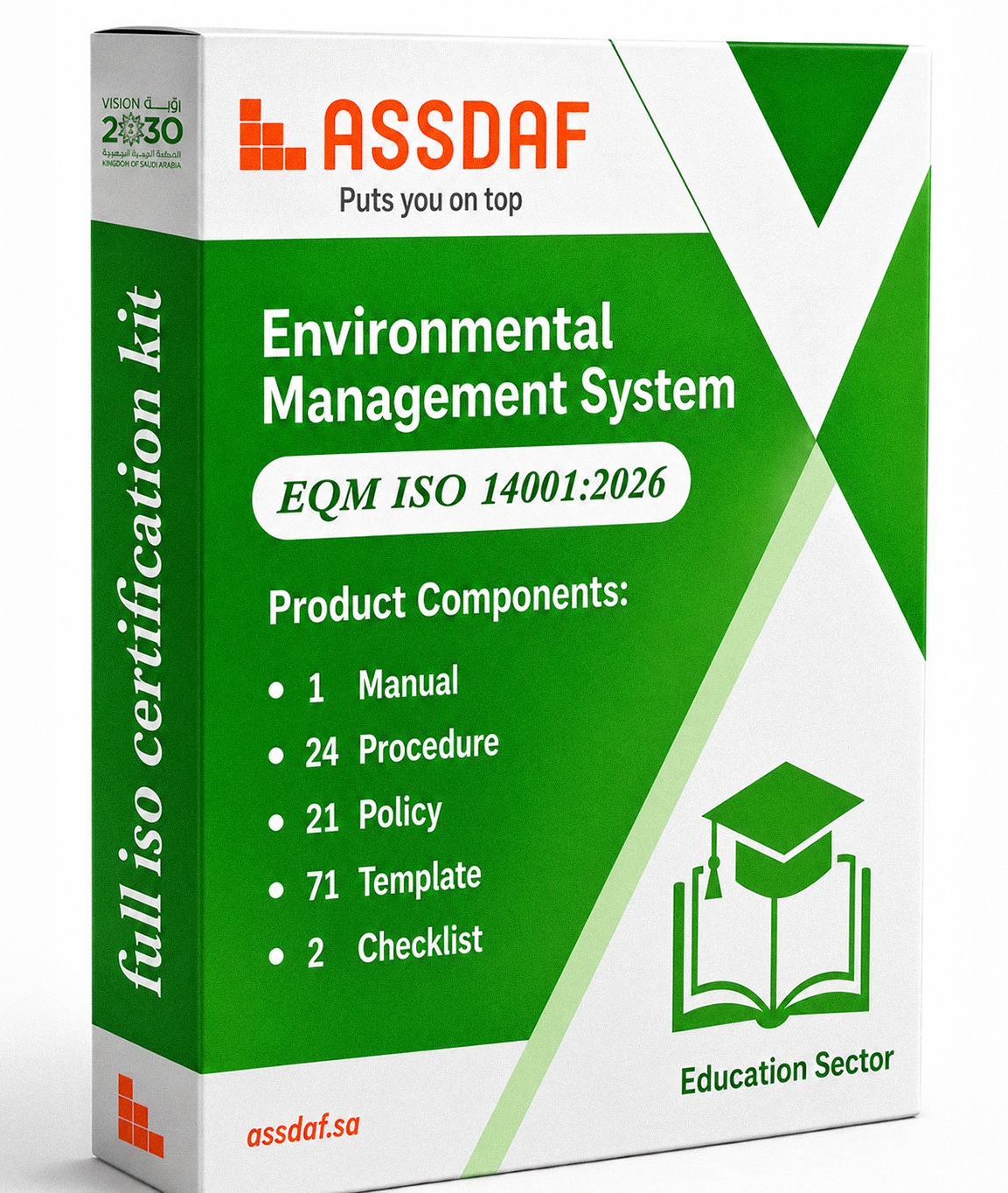
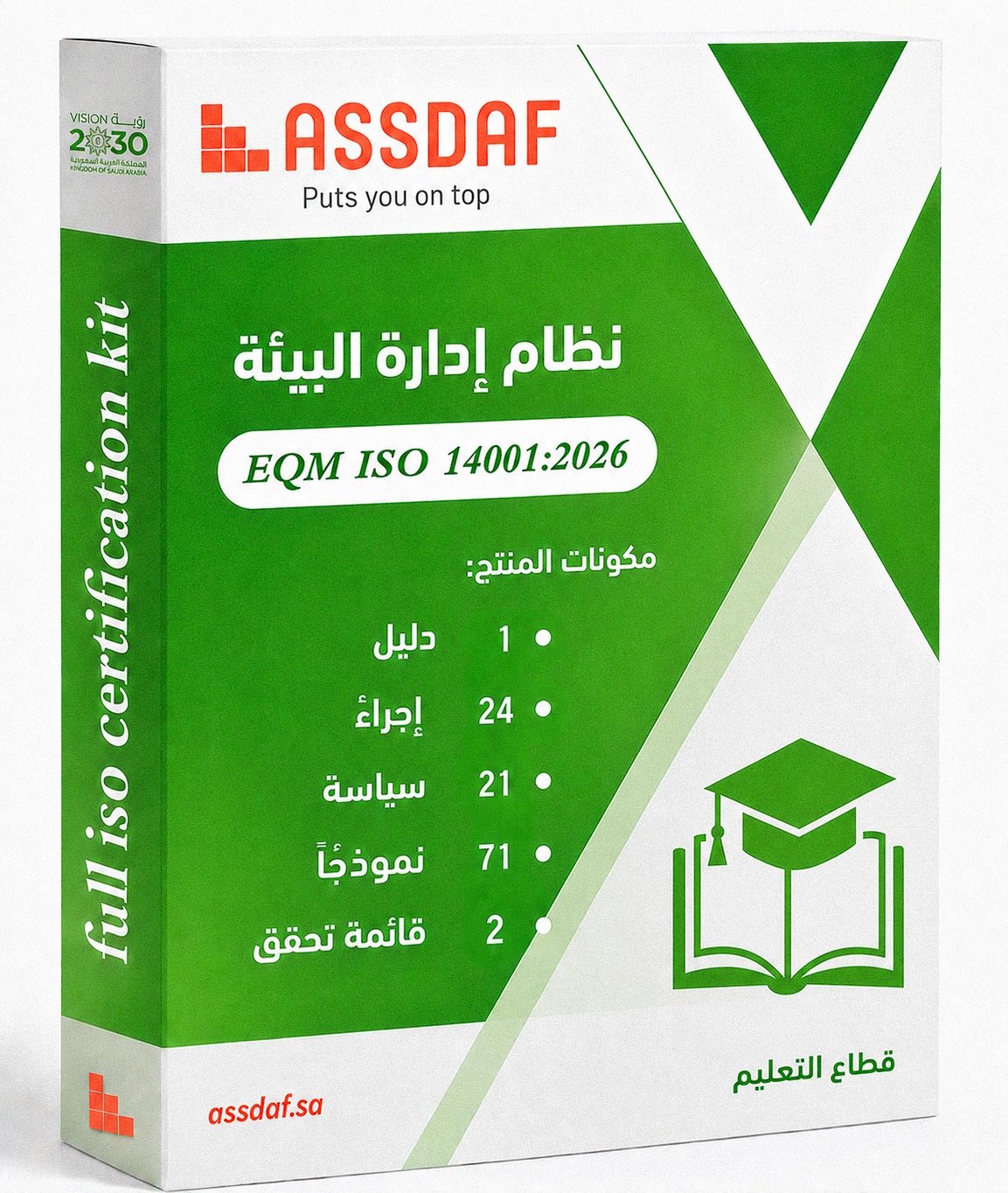
Environmental Management System (EMS) for the Education Sector – ISO 14001:2026
The Environmental Management System (EMS) for the Education Sector, based on the International Organization for Standardization (ISO) 14001:2026, is an advanced management and operational framework designed to enable educational institutions, universities, schools, institutes, and training centers to effectively manage environmental aspects associated with their educational and operational activities. It aims to minimize environmental impacts arising from daily operations and educational facilities while promoting sustainability and ensuring compliance with applicable legal and regulatory requirements, in accordance with the latest edition of ISO 14001:2026.
The system has been carefully developed to align with the unique nature of the education sector, encompassing academic, administrative, operational, and support activities. It covers all elements of environmental management within educational institutions, starting from organizational context analysis and the identification of environmental risks and opportunities, through planning, operational control, and environmental management of buildings, classrooms, laboratories, and facilities, and extending to monitoring, evaluation, and continual improvement. This is achieved through a comprehensive package of policies, procedures, forms, and records reflecting global best practices in environmental management for educational organizations.
The system helps educational institutions to:
- Enhance environmental compliance and reduce nonconformities associated with educational and operational activities.
- Improve the management of energy, water, and resource consumption across educational facilities.
- Control educational, administrative, and electronic waste while reducing environmental pollution.
- Improve indoor environmental quality within classrooms, laboratories, and offices.
- Support sustainability initiatives, green schools and universities programs, and corporate environmental responsibility.
- Increase readiness for educational and environmental accreditations and rankings.
- Strengthen environmental awareness among students, academic staff, and administrative personnel.
- Improve institutional reputation and enhance the confidence of parents, regulatory authorities, and stakeholders.
Key Features of the System
- Fully compliant with the requirements of the latest ISO 14001:2026 standard.
- Specifically designed for educational institutions and training organizations.
- Applicable to universities, schools, institutes, training centers, and various educational establishments.
- Professionally developed with practical operational content tailored to educational and administrative environments.
- Includes integrated and customizable policies, procedures, forms, and records to suit the needs of each institution.
- Helps reduce consultancy and environmental management system implementation costs by up to 50%.
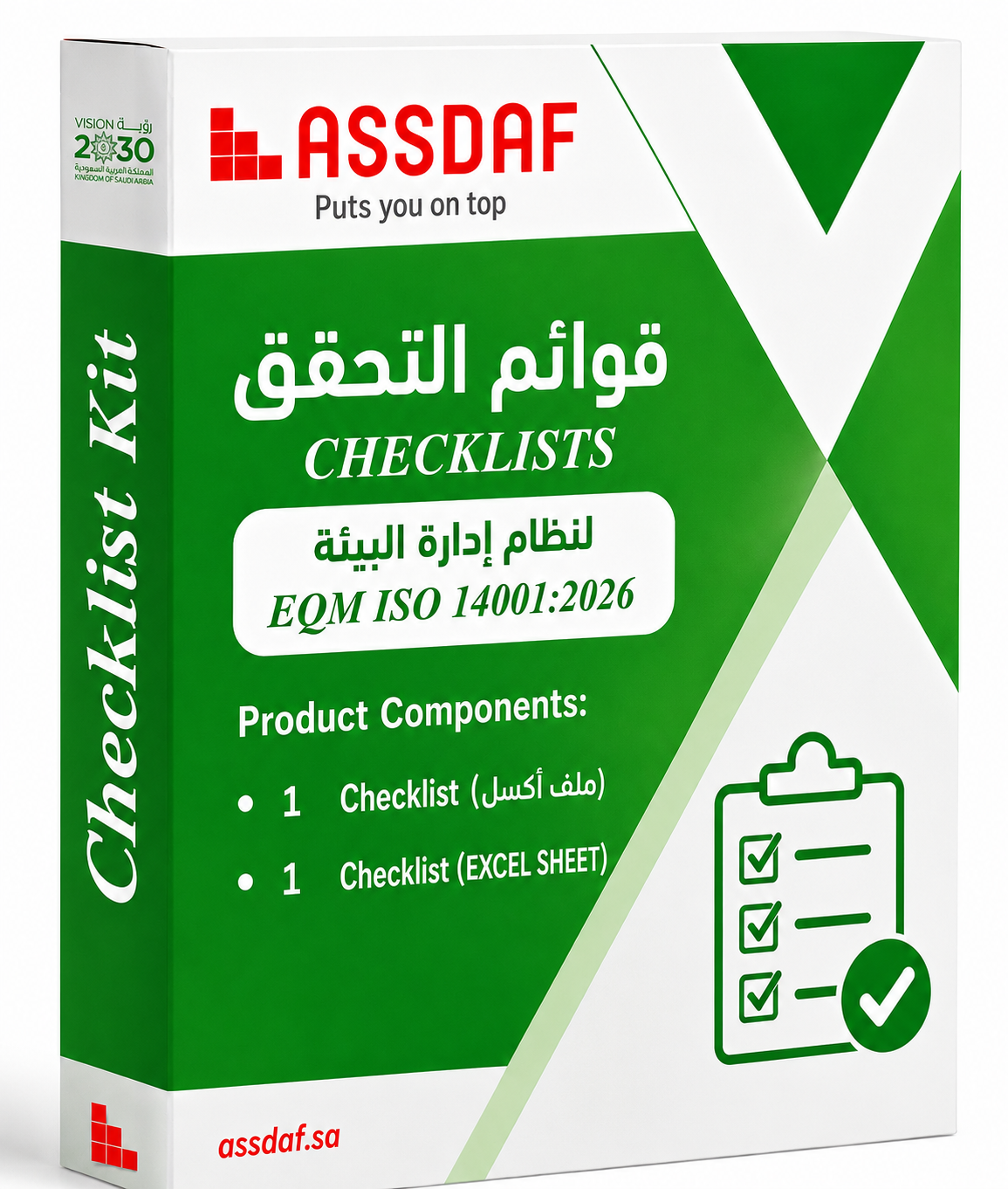
- All documents are provided in editable Microsoft Word format and can be customized and further developed according to institutional requirements.
The System Includes a Comprehensive Set of Documents and Forms, Such As:
- Environmental Policy for Educational Institutions.
- Register of Environmental Aspects and Impacts Related to Educational and Operational Activities.
- Environmental Risk and Opportunity Assessment for Educational Facilities.
- Procedures for Waste Management, Emission Control, and Pollution Prevention.
- Environmental Emergency Preparedness and Response Plans for Educational Institutions.
- Environmental Inspection and Periodic Monitoring Forms.
- Environmental Compliance Records and Evaluation Logs.
- Environmental Training and Awareness Programs for Students and Staff.
- Environmental Performance Indicators and Continual Improvement Reports.
- Energy and Water Conservation Plans for Educational Facilities.
This system represents a comprehensive and professional solution for educational institutions seeking to enhance their environmental performance, achieve sustainability objectives, and improve operational efficiency within educational facilities. It supports competitiveness, facilitates the achievement of international accreditations, and contributes to the creation of a safe and sustainable learning environment in accordance with the latest global best practices.