-35% Off🔥 Limited Time Offer
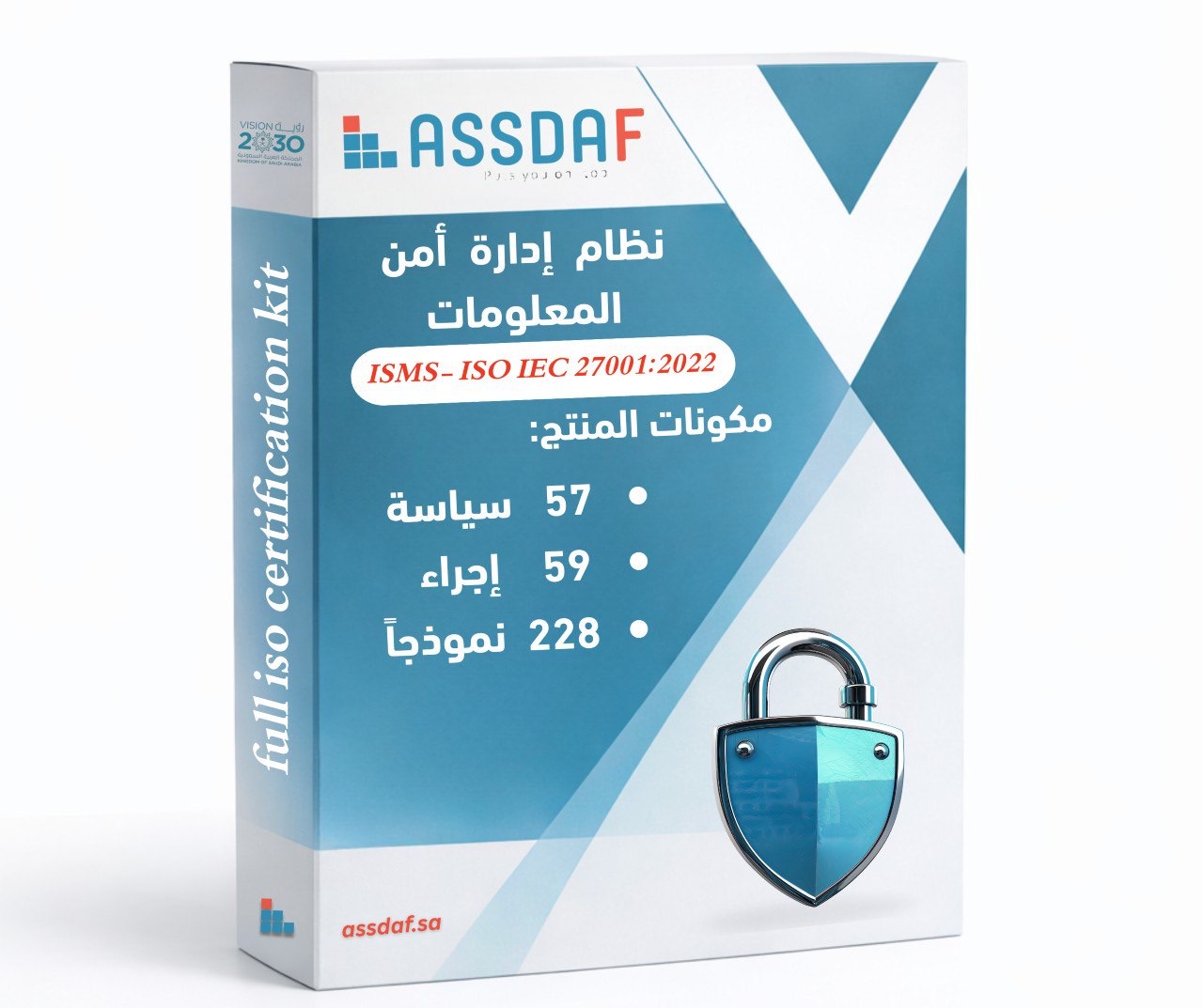
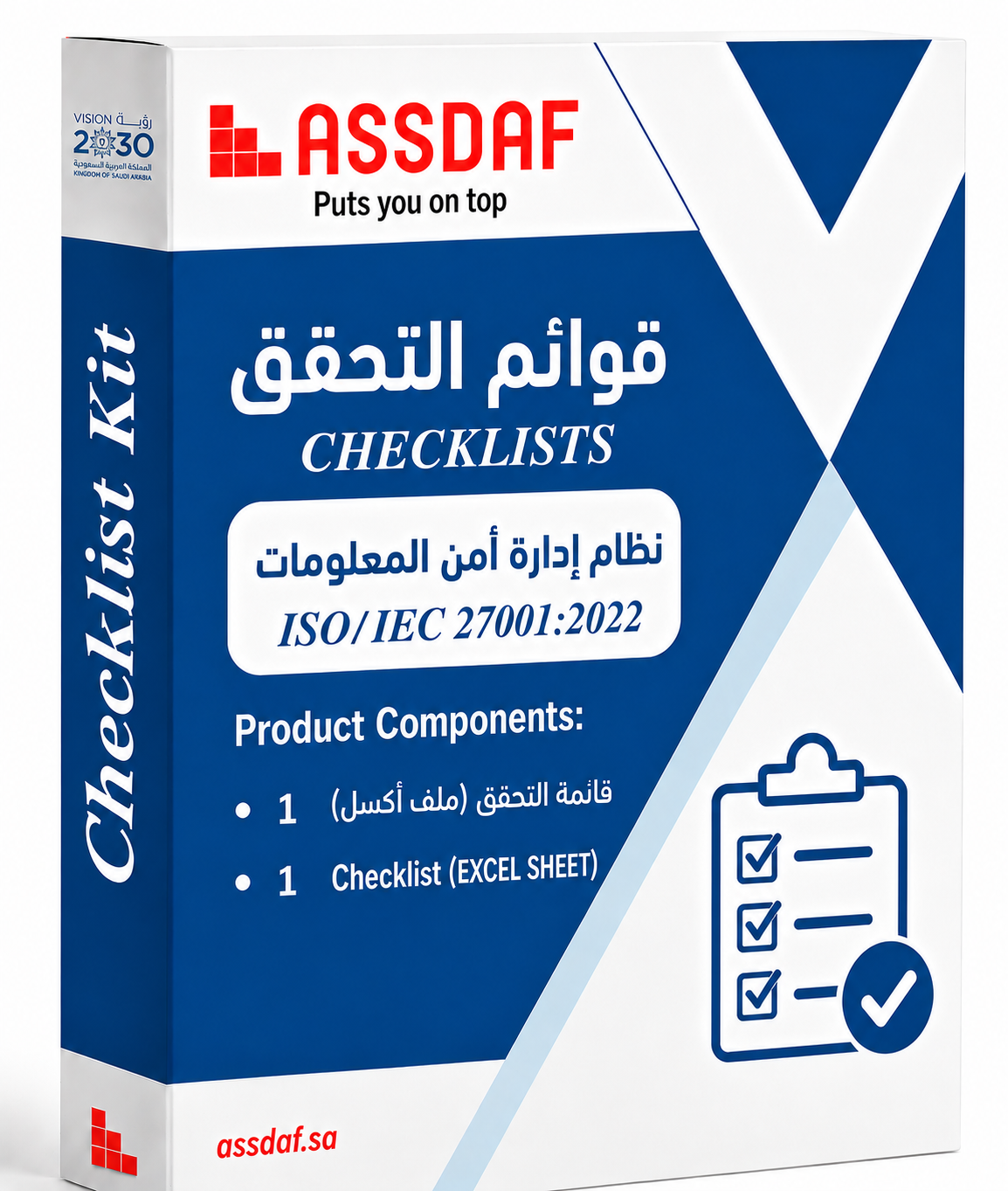
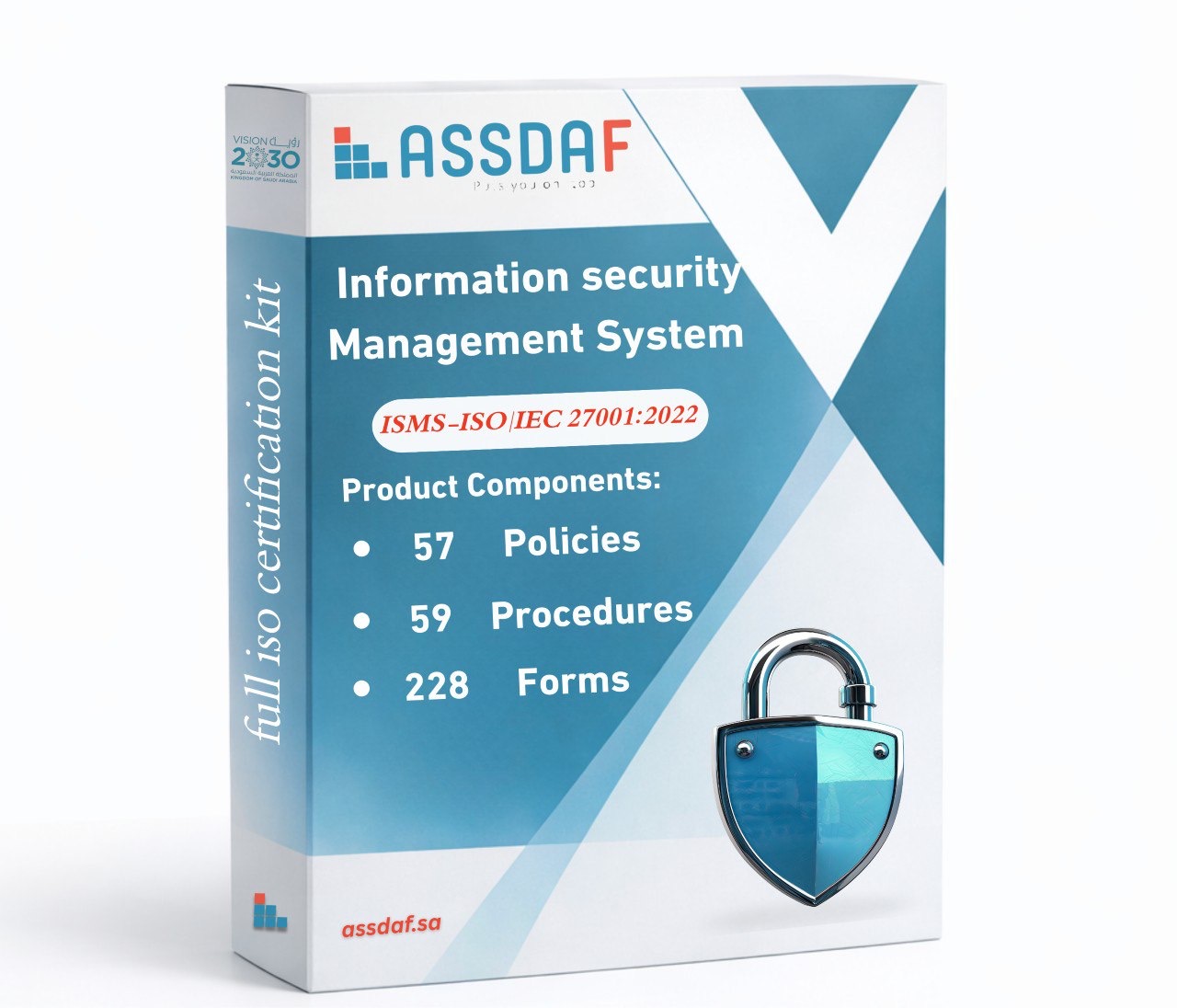
Information Security Management System (ISMS – ISO/IEC 27001:2022)

Available Services

System Requirements Training

Explains system requirements, policies, and procedures needed for correct implementation and operation.

300.00
Minimum employees: 3

Internal Audit Training

Training on internal audit methodology, checklists, evidence collection, nonconformities documentation, and improvement plans.

300.00
Minimum employees: 3

System Usage Training

Hands-on training for users to operate the system and use its core features efficiently.

300.00
Minimum employees: 3

Request for document preparation

Preparation of customized documents tailored specifically to the client’s business nature and requirements, professionally designed under the client’s name and brand identity, ensuring structured, high-quality documentation that reflects the brand and enhances credibility.

5,000.00
Information Security Management System (ISMS – ISO/IEC 27001:2022)

Information Security Management System (ISMS – ISO/IEC 27001:2022)

2,888.60
4,444.00
Trending

The Information Security Management System (ISMS) is an integrated administrative and technical framework designed to protect the organization’s information assets—digital, physical, human, and infrastructural—through the application of policies, controls, and standards that ensure Confidentiality, Integrity, and Availability (CIA) in accordance with ISO/IEC 27001:2022 requirements

Quantity
1
Instant accessDigital files delivered quickly
Consultant-backedGuided by experienced specialists
Secure transactionsProtected checkout flow
4.1

8 reviews

5 stars
4
4 stars
1
3 stars
3
2 stars
0
1 stars

Information Security Management System

 (ISMS – ISO/IEC 27001:2022)

v The Information Security Management System (ISMS) is an integrated administrative and technical framework designed to protect the organization’s information assets—digital, physical, human, and infrastructural—through the application of policies, controls, and standards that ensure Confidentiality, Integrity, and Availability (CIA) in accordance with ISO/IEC 27001:2022 requirements

v This system transforms the workplace from an unstructured approach to data handling into a governed, risk-based security framework that protects the organization from cyber threats and attacks, ensures regulatory compliance, and builds trust with customers, partners, and regulatory authorities

 System Components

1) Information Security Policies

A set of strategic and operational policies covering:

·        Access control and account management

·        Network and system protection

·        Supplier security

·        Backup and business continuity

·        Asset and device security

·        Privacy and personal data protection

·        Encryption and key management

·        Remote work, mobile device security, and email usage

Each policy reflects formal top-management commitmen 

2) Security Operational Procedures

Detailed procedures covering:

·        Security risk assessment and treatment

·        Access control and account lifecycle management

·        Device and network protection

·        Secure system configuration

·        Backup management and restoration testing

·        Vulnerability management and security updates

·        Incident analysis and response

·        Supplier & third-party security

·        Business continuity and emergency response plans

These procedures align with Annex A controls of ISO/IEC 27001:2022.

3) Security Forms and Registers

Including:

·        Information Asset Register

·        Security Risk Register

·        Cybersecurity Incident Log

·        Authentication & Access Log

·        Access Authorization Record

·        Backup & Restoration Log

·        Supplier Security Evaluation Record

·        Internal audit and system review records

These serve as evidence of compliance, transparency, and operational security performance. 

 4) Integration and Regulatory Compliance Mechanisms

The ISMS aligns with regulatory and legal requirements involving:

·        Personal data protection regulations

·        Governmental cybersecurity directives

·        Sector-specific regulatory frameworks (banking, healthcare, education, commerce)

·        Encryption, privacy, and data retention laws

It enhances readiness for both local and international compliance obligations. 

 Key Features and Advantages

·        Implements a risk-based approach, ensuring resources focus on the most critical threats.

·        Builds trust with customers, partners, and stakeholders through structured security governance.

·        Reduces cybersecurity risks, data loss, and unauthorized manipulation.

·        Enhances efficiency across technical and human systems through clear security controls.

·        Supports digital transformation through a strong security foundation.

·        Improves disaster recovery and business continuity readiness.

·        Strengthens security culture through awareness, training, and responsible employee behavior.

·        Integrates seamlessly with other management systems (ISO 9001, ISO 22301, ISO 20000, ISO 42001) due to shared principles of governance, risk management, and continual improvement.

 ISMS Outputs

·        Clear, structured security policies covering all areas of cybersecurity.

·        Documented operational procedures covering the entire information security lifecycle.

·        Professional forms and records for auditing, monitoring, and evidence collection.

·        Risk registers and analytical reports supporting informed decision-making.

·        Integration with technical systems such as IAM, monitoring tools, backup solutions, and firewalls.

·        All documentation is editable (Word files or digital formats) and ready for integration into the organization’s internal systems.

 Organizational Impact

·        Enhances organizational readiness against cyber threats and minimizes the likelihood of incidents.

·        Protects sensitive data, customers, and beneficiaries from breaches.

·        Improves legal and regulatory compliance, reducing penalties or operational disruptions.

·        Builds strong institutional trust among customers, partners, government entities, and financial institutions.

·        Establishes clear governance and accountability for data protection.

·        Supports business continuity through robust data protection and disaster recovery mechanisms.

·        Strengthens the organization’s ability to track, analyze, and learn from security incidents, improving preventive measures.

Chat on WhatsApp