اكتشف الخدمات المتخصصة لهذا المنتج
شرح متطلبات النظام والسياسات والإجراءات اللازمة لتشغيله وتطب...
تدريب على آلية التدقيق الداخلي، إعداد القوائم، جمع الأدلة، و...
تدريب عملي للمستخدمين على استخدام النظام وتشغيل وظائفه الأسا...
This system enables the organization to transform individual practices and daily operational activities into a structured, documented framework that supports performance improvement, risk reduction, and disciplined operations throughout all phases of planning, execution, evaluation, and development of charitable projects and community services.
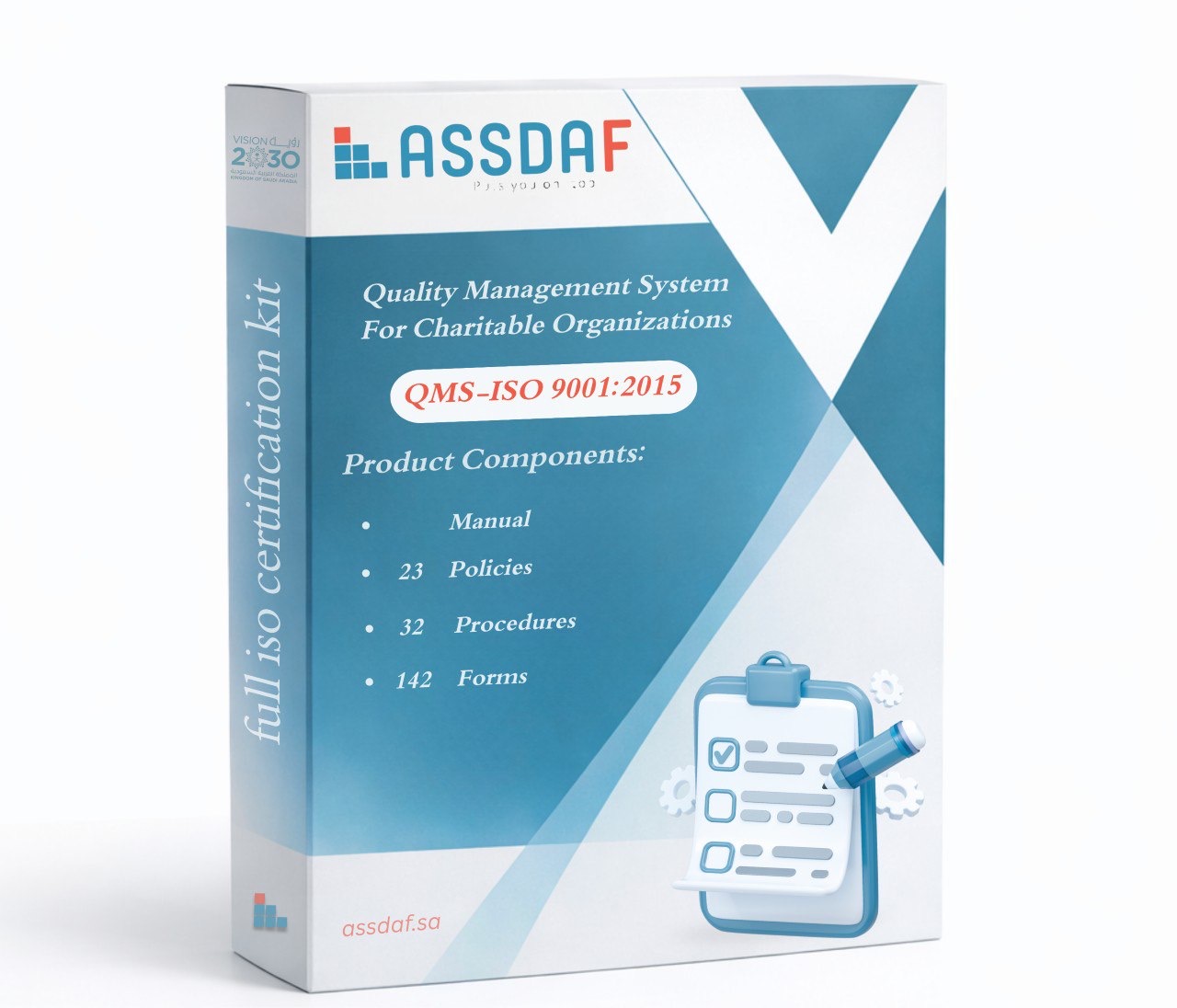
v A Quality Management System (QMS) is an integrated administrative framework designed to ensure the effectiveness, quality, and consistency of the services provided by a charitable organization. It enhances organizational performance and ensures the satisfaction of stakeholders, beneficiaries, donors, partners, and the community—based on the requirements of ISO 9001:2015.
v This system enables the organization to transform individual practices and daily operational activities into a structured, documented framework that supports performance improvement, risk reduction, and disciplined operations throughout all phases of planning, execution, evaluation, and development of charitable projects and community services...
System Components
Quality Management System Manual
A comprehensive document that outlines the core principles, organizational structure (e.g., Board of Directors, Executive Management, Quality Team, Volunteers), roles & responsibilities, and mechanisms for implementing, monitoring, and improving services throughout their lifecycle.
Quality Policies
A set of policies governing the organization’s commitments in Identifying community needs:
Planning programs, Executing projects, evaluating outcomes, Improving services, Managing donor and beneficiary communication and Handling feedback and complaints.
Detailed Operational Procedures
Procedures covering the full operational cycle of charitable work, including:
· Needs assessment
· Service or project design
· Procurement and partnerships
· Execution and delivery
· Monitoring and evaluation
· Documentation
· Feedback and continual improvement
They also include risk management, resource assurance (financial, human, technical), and documentation requirements aligned with ISO 9001
Quality Forms and Records
Professional documentation tools such as:
· Community Needs Assessment Register
· Project Planning Register
· Program Implementation Records
· Beneficiary Feedback Register
· Donor and Funding Partner Register
· Risk and Issues Register
· Improvement Register
· Training and Competency Records
These documents support measurement, evidence collection, and internal/external auditing Integration and Regulatory Compliance Mechanisms
Charitable organizations usually operate within regulatory frameworks that require licensing, financial transparency, data protection, and volunteer safety
The QMS integrates with these requirements to ensure:
· Transparency
· Accountability
· Reliable reporting
· Compliance with government and community expectations
Key Features and Advantages
o Establishes a culture centered on quality, beneficiary care, and transparency instead of unstructured practices
o Protects service consistency and quality across the service lifecycle—from planning to execution to evaluation
o Converts individual expertise, volunteer experience, and operational knowledge into institutional assets
o Enhances operational efficiency by reducing waste, preventing errors, and ensuring effective program delivery
o Supports innovation through structured review, assessment, and continual improvement mechanisms
o Integrates seamlessly with other management systems such as risk management, privacy, safety, and governance
o Strengthens donor and partner trust through documented processes and demonstrated commitment to quality
Organizational Impact
o Builds institutional capability by ensuring services delivered by the charity are effective, beneficial, and safe—strengthening credibility with beneficiaries, donors, and regulators
o Increases operational efficiency and reduces costs associated with poor planning, weak monitoring, or low beneficiary satisfaction
o Enhances innovation through structured mechanisms for reviewing and improving services
o Supports access to partnerships and funding opportunities, as ISO 9001 certification is increasingly recognized by donors and governmental programs
o Protects the organization from regulatory and legal risks caused by undocumented or non-compliant practices
o Enables the organization to manage post-delivery stages effectively, including beneficiary feedback, corrective actions, and improvement reporting
منتجاتنا الأكثر شعبية حسب المبيعات
.jpeg)
نظام إدارة الجودة للجمعيات الخيرية (QMS – ISO 9001:2015) منظومة إدارية متكاملة تهدف إلى ضمان جودة ا...
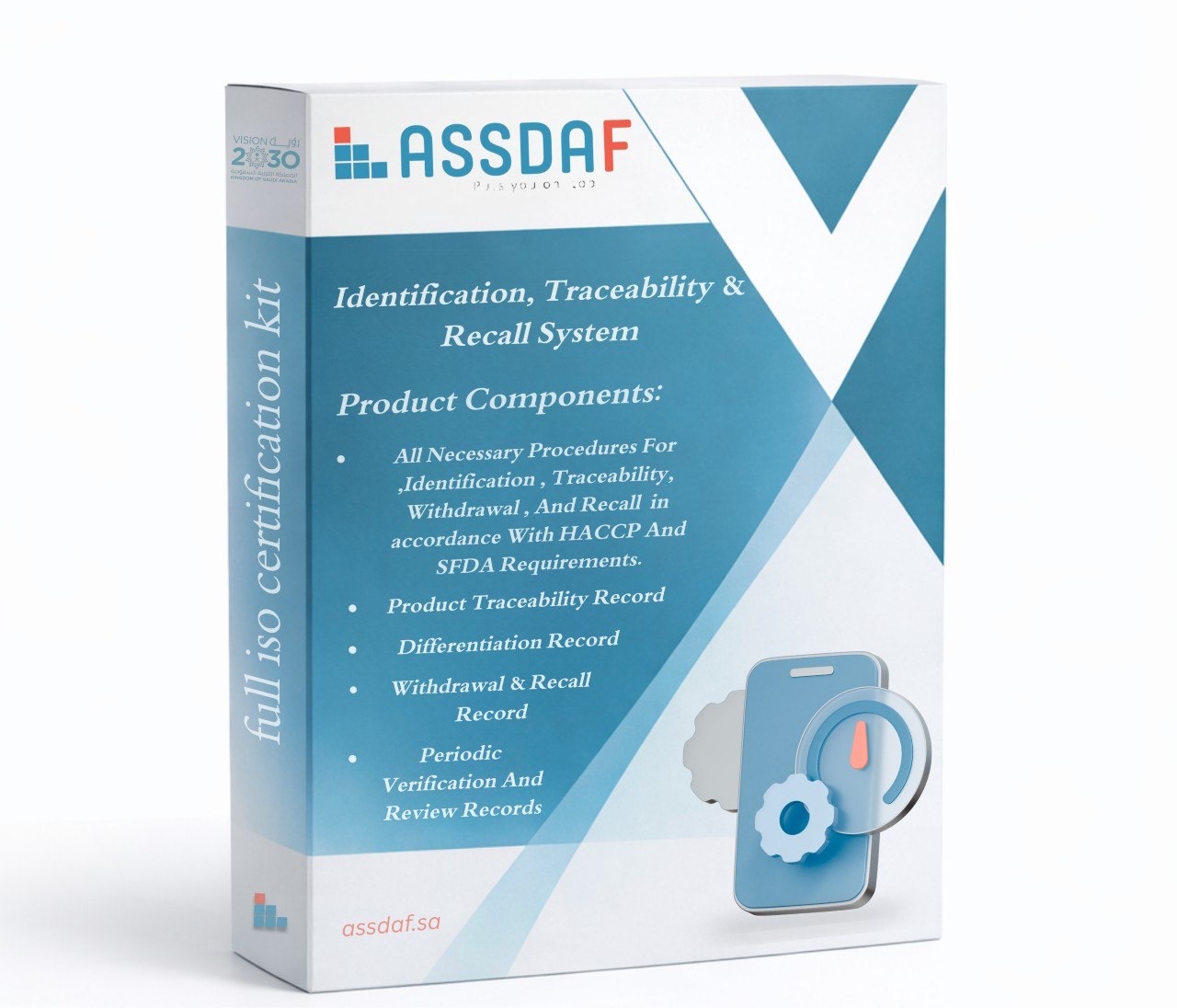
Package for Identification,Traceability , & Recall System The Excellence, Tracking, Reca...
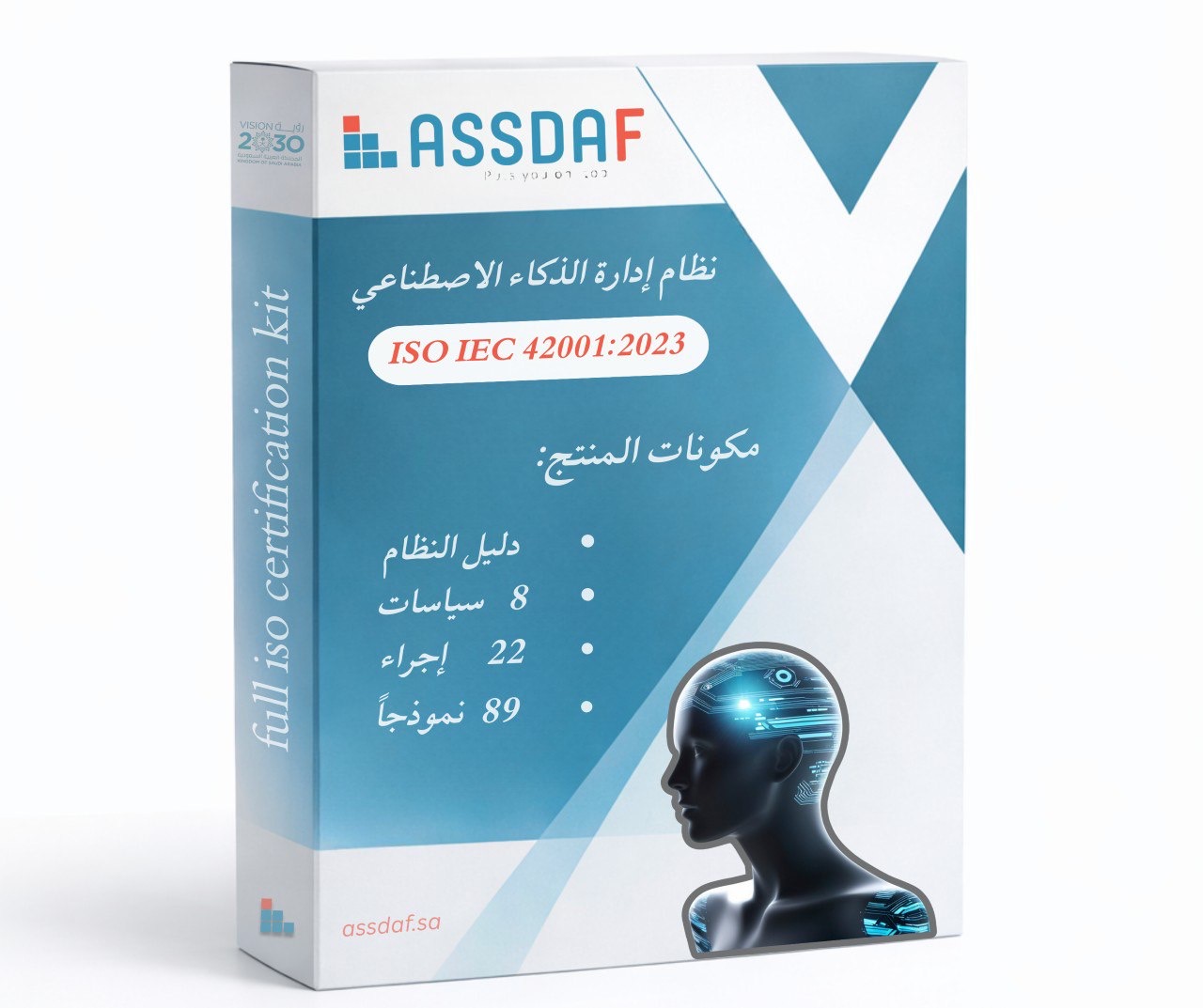
نظامإدارة الذكاء الاصطناعي (AIMS – Artificial Intelligence Management System) إطار إداري متكامل...
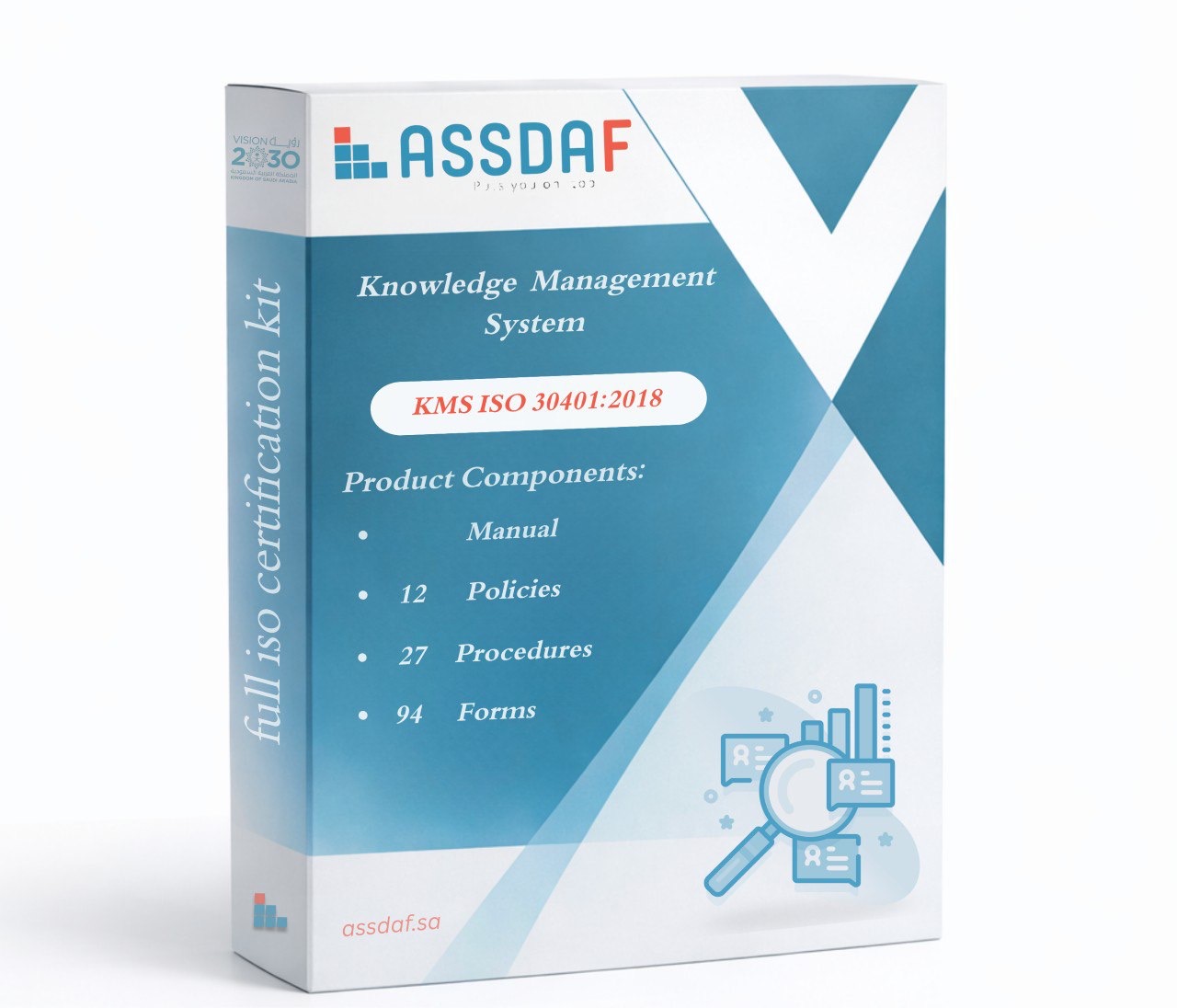
Knowledge Management System (KMS) ISO 30401:2018 An integrated administrative framework for...
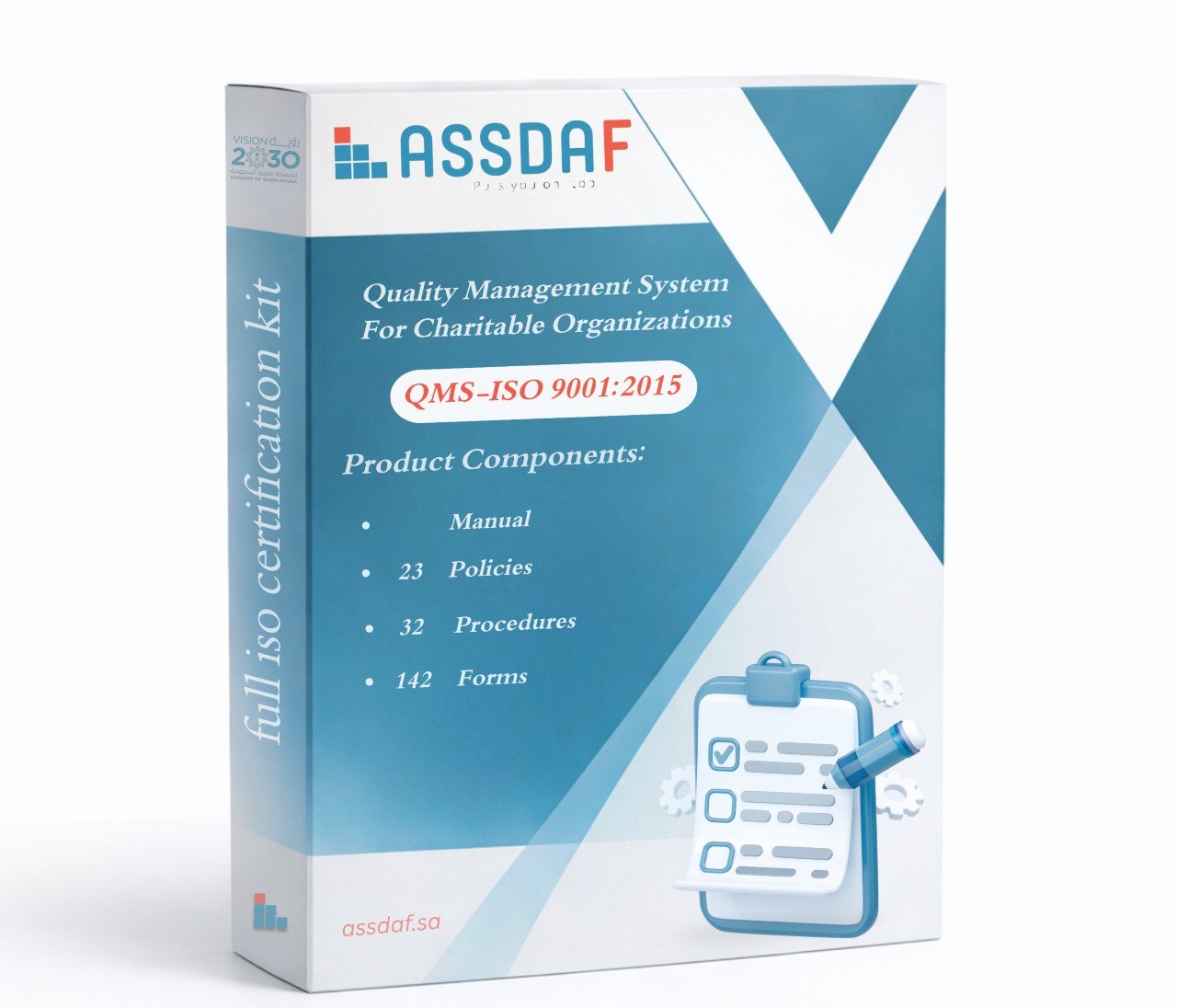
This system enables the organization to transform individual practices and daily operational activ...
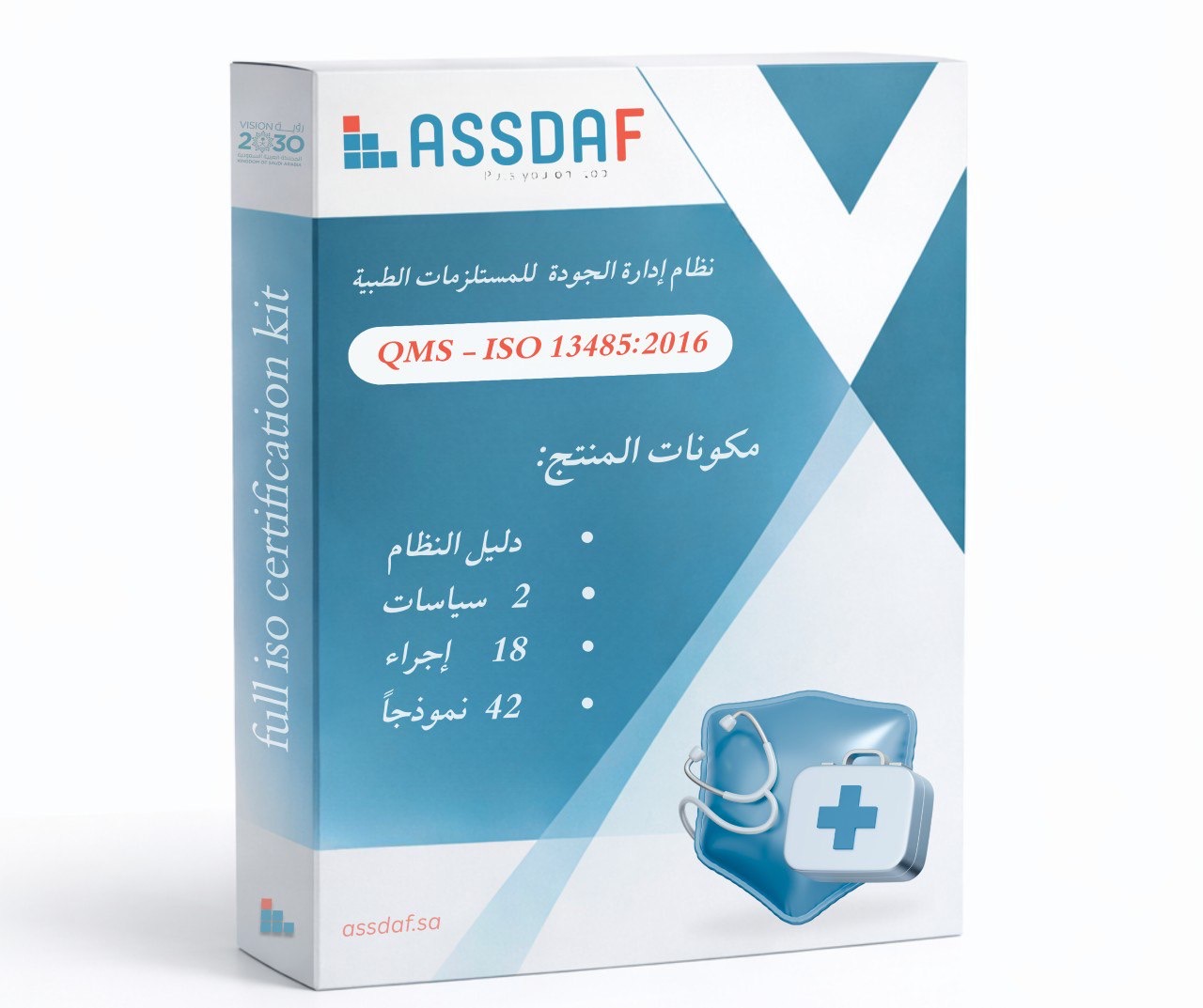
نظام إدارة الجودة للمستلزمات الطبية (QMS – ISO 13485:2016) هو منظومة إدارية متكاملة تهدف إلى ضما...
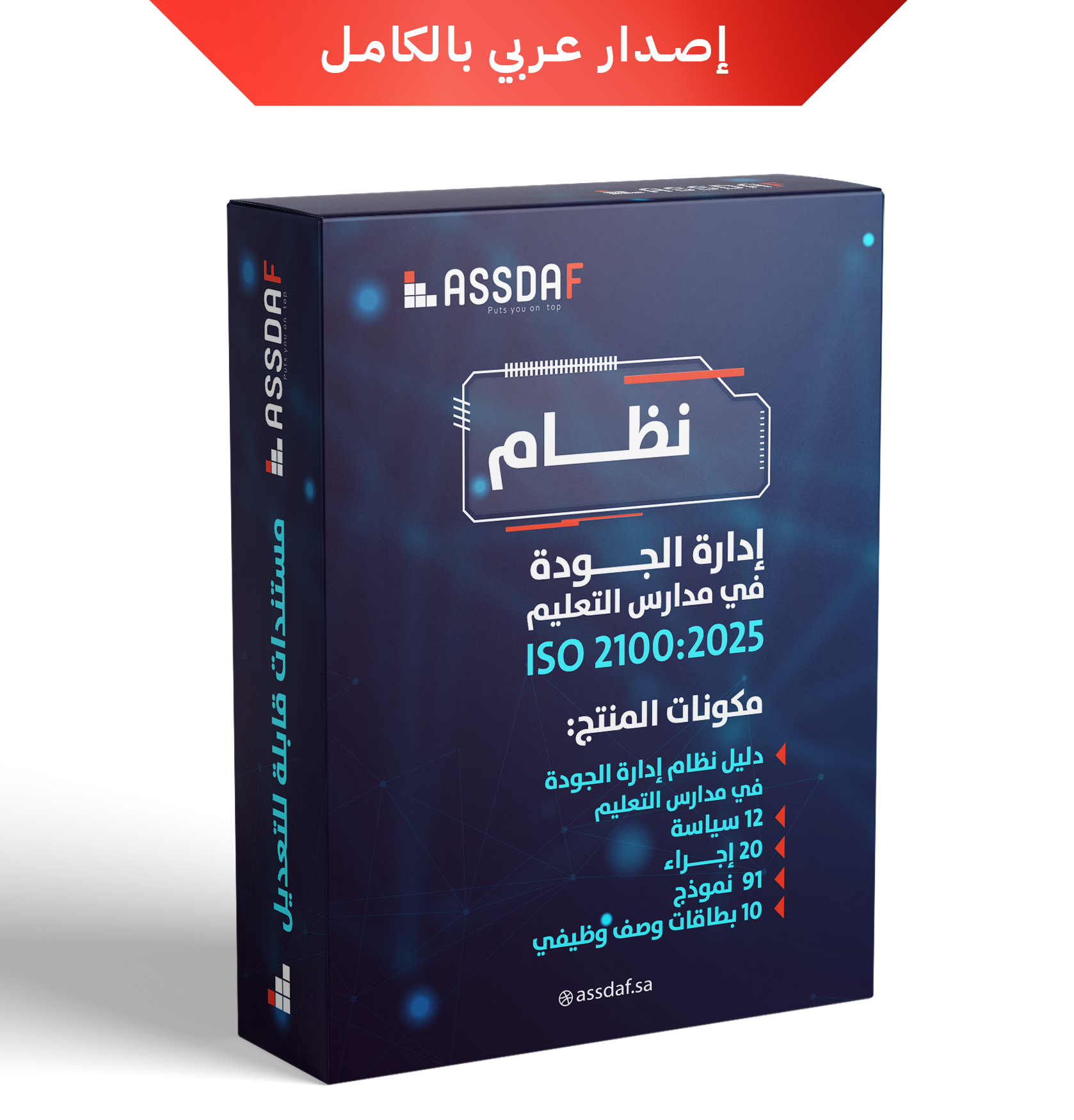
نظام إدارة الجودة للمؤسسات التعليمية (المدارس) QMS ISO 21001:2025 يعد نظام إدارة الجودة في المؤسسات...
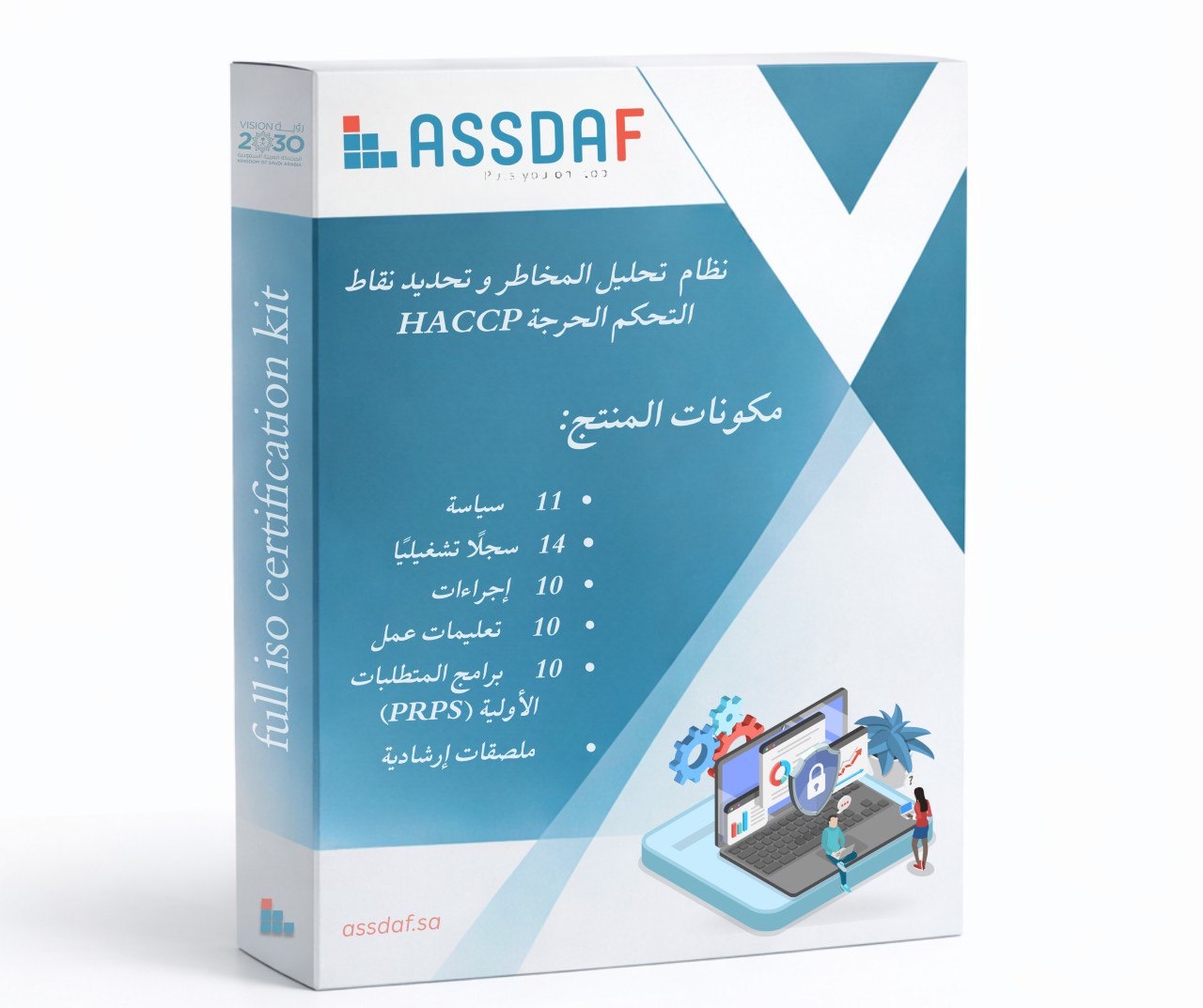
باكدج متكامل لنظام تحليل المخاطر وتحديد نقاط التحكم الحرجة (HACCP Package) باكدج HACCP هو حل متك...
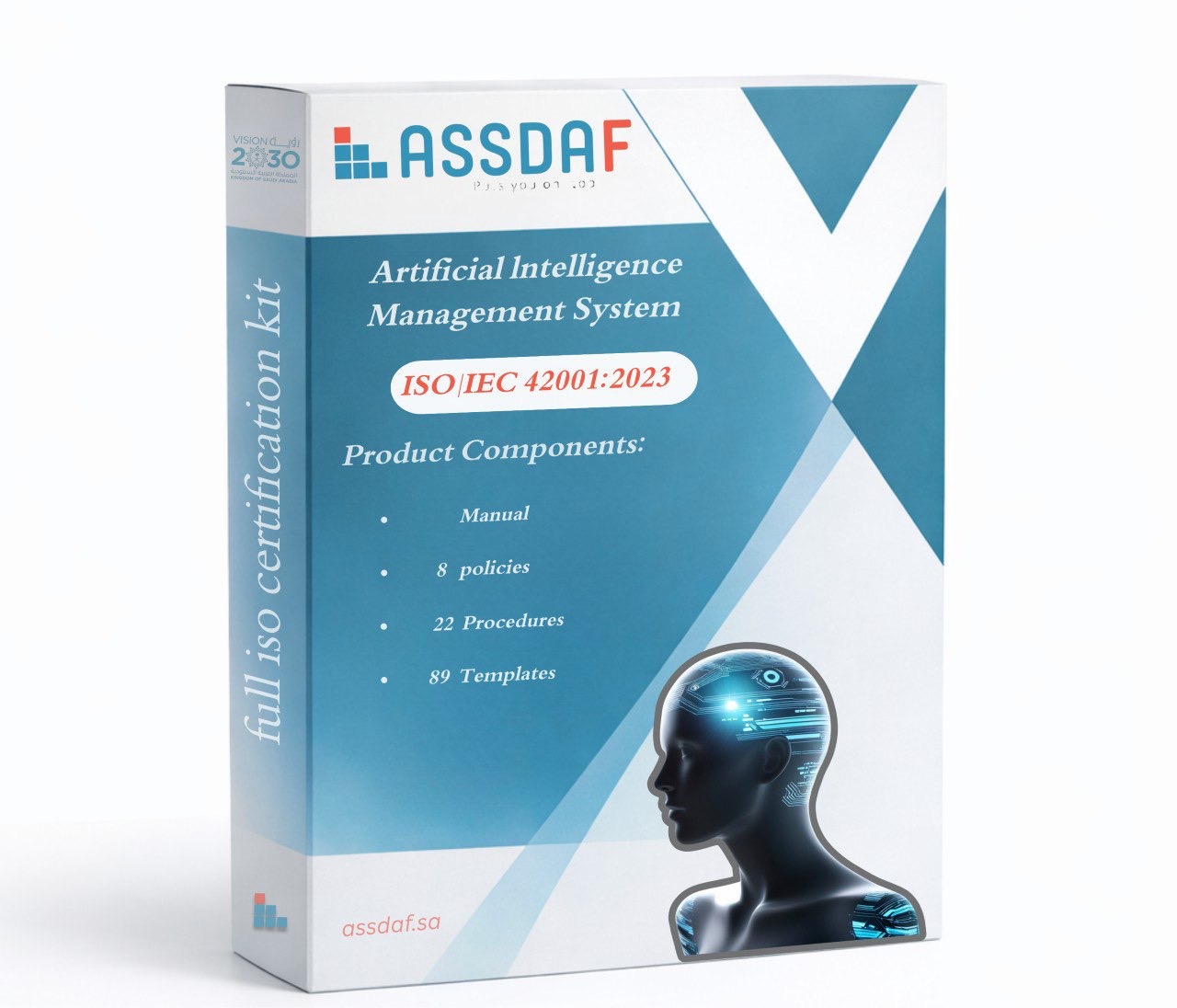
Artificial Intelligence Management System (AIMS) Ø An integrated administrative framework for AI...
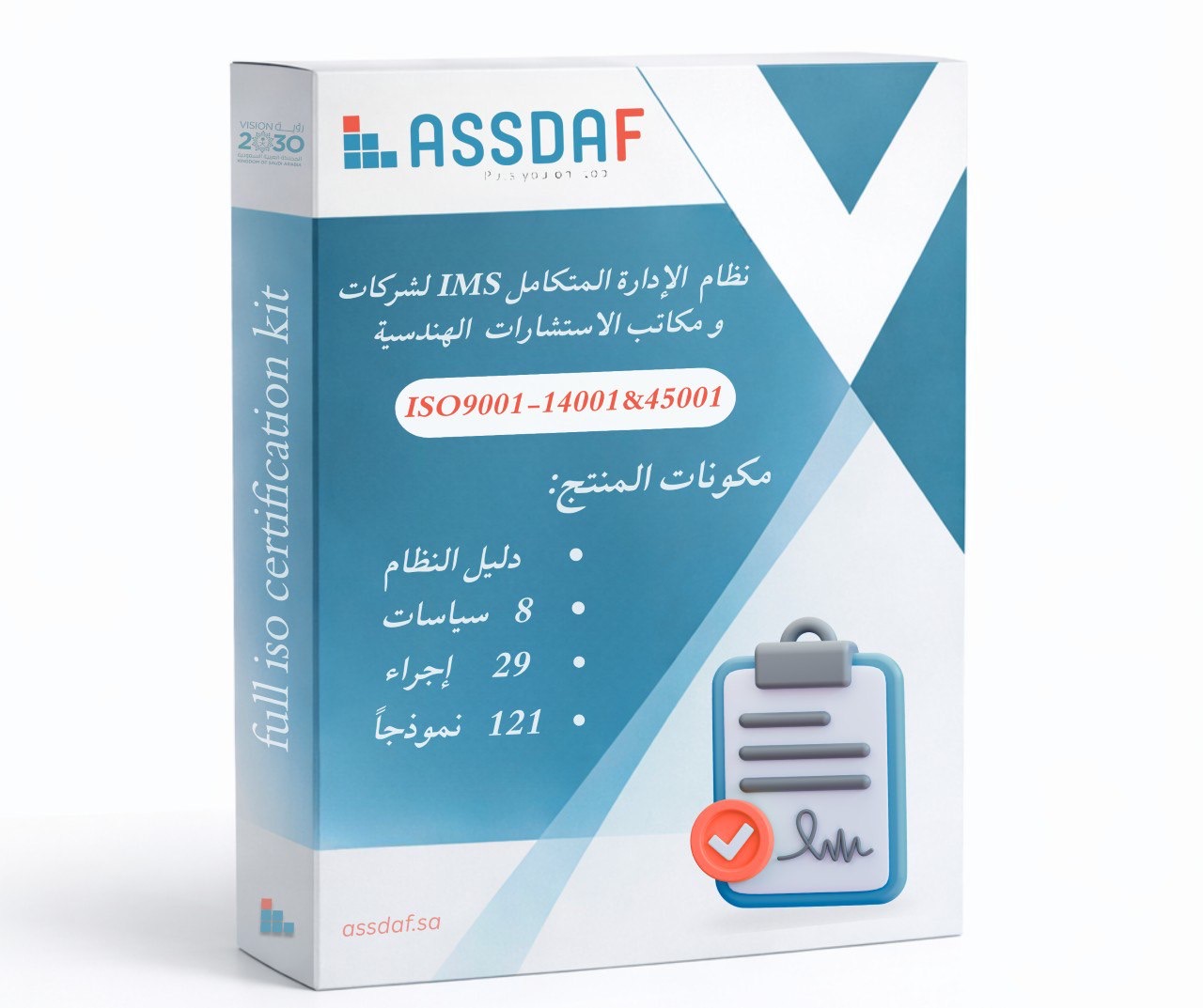
نظام الإدارة المتكامل IMS للشركات ومكاتب الاستشارات الهندسية باكدج نظام الإدارة المتكامل (IM...